The Effect of Technology on Effectiveness in the Casting Foundry Industry
The Casting Foundry sector has actually experienced significant improvements because of technical improvements. Automation and robotics have structured operations, boosting manufacturing rates while lessening errors. Additionally, real-time tracking and data analytics are reshaping decision-making procedures, leading to much more reliable resource monitoring. As these innovations continue to advance, they present both chances and challenges. Comprehending the full influence of these changes is necessary for industry stakeholders to adapt and thrive in an affordable landscape.
The Function of Automation in Modern Foundries
/zac89290_5050.jpg)
These systems help with jobs such as mold creation, putting, and air conditioning, permitting real-time tracking and changes to enhance efficiency. In addition, automation enables foundries to run constantly, increasing output and decreasing lead times.
The combination of automated solutions likewise supports far better resource monitoring, as equipments can be configured to utilize products more efficiently, minimizing waste. By carrying out automation, contemporary foundries can adjust to varying need, ensuring that they continue to be affordable in a rapidly advancing industry. Eventually, automation stands for a transformative pressure, redefining standard Foundry techniques and leading the method for future advancements.
Enhancing Top Quality Control With Innovation
Innovation revolutionizes quality assurance in shops, guaranteeing that items meet rigid market standards. Advanced examination systems, such as laser scanning and 3D imaging, allow exact measurement of actors elements, determining problems at the earliest stages. These devices promote real-time tracking of producing procedures, enabling immediate changes and decreasing deviations from quality standards.
Information analytics plays an important duty in top quality control by evaluating patterns and forecasting potential failures, which boosts the reliability of the production line. Implementing artificial intelligence algorithms permits shops to continuously boost their quality assurance processes by gaining from historical data
Furthermore, the combination of electronic doubles makes it possible for online simulations of manufacturing processes, enabling comprehensive screening and validation before physical Casting takes place. Jointly, these technical developments not just boost the quality of cast products however likewise strengthen client fulfillment and count on the factory's result.
Minimizing Waste and Power Usage
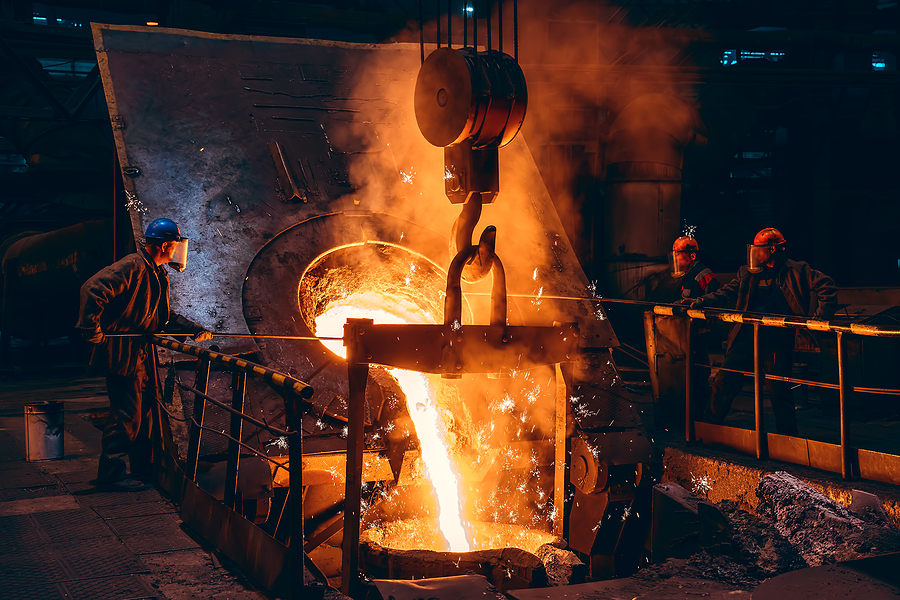
Furthermore, the introduction of 3D printing modern technology in mold development especially lowers product waste by enabling the production of intricate styles without the need for excessive machining. Energy-efficient devices and eco-friendly power resources are increasingly being embraced, contributing to reduced operational prices and a smaller carbon impact.
These technologies not just improve functional effectiveness but also advertise sustainable techniques within the Casting Foundry market, straightening with global initiatives to improve and lower ecological influences resource management.
The Influence of Data Analytics on Decision Making
Data analytics has emerged as a necessary device for boosting decision-making procedures in casting factories. By leveraging information gathered from various stages of manufacturing, foundries can identify inefficiencies and areas for improvement. Real-time tracking of devices efficiency permits managers to make educated choices relating to maintenance schedules, minimizing downtime and optimizing outcome.
Anticipating analytics aids forecast demand trends, enabling shops to adjust manufacturing levels accordingly and decrease excess supply. This capacity not only improves procedures however additionally aids in source allowance, ensuring that products are utilized successfully.
Data-driven insights encourage monitoring to review the effectiveness of various alloys and materials, leading to enhanced product top quality. As foundries significantly embrace information analytics, the integration of these understandings right into strategic decision-making processes leads the method for boosted operational effectiveness and competitive benefit in the market.
Integrating Robotics Into the Molding Refine
The combination of robotics into the molding procedure offers significant advantages for casting factories. By automating jobs, these systems can reduce human error and improve manufacturing rate, leading to extra effective procedures. As technology advances, the potential for robotics to change conventional molding techniques comes to be progressively obvious.
Benefits of Robot Automation
Robotic automation uses significant benefits in the molding procedure of casting foundries, enhancing both performance and accuracy. By making use of robot systems, foundries can achieve higher production rates due to the constant rate and dependability of machines. These robotics can do repeated tasks with very little downtime, which enhances procedures and optimizes outcome. In addition, the assimilation of robotics enables better flexibility in production, allowing shops to swiftly adjust to varying needs and intricate layouts. Moreover, robot automation adds to boosted workplace safety by minimizing the demand for human treatment in dangerous environments. Ultimately, the unification of robotics in the molding procedure leads to optimized process, reduced functional costs, and enhanced item quality in the Casting Foundry industry.
Reducing Human Error
Although human ability and instinct have actually typically played necessary functions in the molding process, incorporating robotics considerably mitigates the danger of human mistake. Robotics offers precision and consistency, making sure that each mold is created with precise specifications, decreasing variability triggered by exhaustion or disturbance among human drivers. With advanced sensors and software, robotic systems can identify anomalies and make real-time adjustments, better lessening the possibility of issues. The automation of repeated tasks permits human workers to concentrate on even more complex obligations, improving overall high quality control. On top of that, the execution of robotics facilitates a more organized technique, bring about standardization throughout production procedures, which is vital for keeping top quality outputs in the Casting Foundry sector.
Enhancing Production Rate
Integrating robotics right into the molding procedure not only minimizes human error however likewise greatly boosts manufacturing speed within casting factories. By automating recurring jobs, robots can run constantly, permitting higher output prices compared to standard methods. Their accuracy guarantees that mold and mildews are regularly filled up, minimizing downtime triggered by modifications or problems. Additionally, robotics make it possible for quick changes in manufacturing lines, fitting various layouts without substantial hold-ups. Consequently, shops can respond extra swiftly to market needs, boosting their one-upmanship. In addition, the integration of sophisticated robotics innovations improves the operations, maximizing resource allowance and decreasing labor hop over to here expenses. On the whole, the fostering of robotics in molding processes considerably moves performance and productivity in the Casting Foundry sector.
Overcoming Difficulties in Modern Technology Adoption
Future Trends in Casting Foundry Innovation
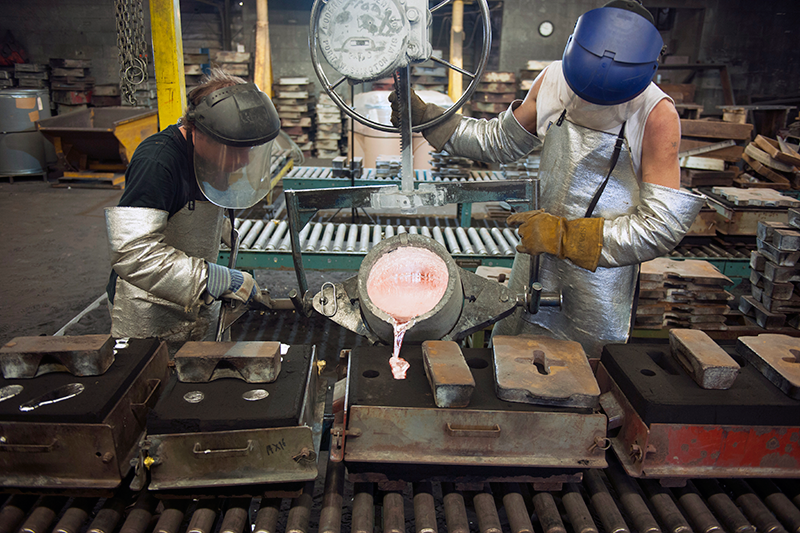
What innovations exist ahead for the Casting Foundry market? The future of casting Foundry innovation is positioned for substantial improvement via advancements such as 3D printing, automation, and artificial intelligence. These technologies promise to boost accuracy and minimize waste in the Casting process. 3D printing allows the manufacturing of intricate geometries that standard approaches can not achieve, while automation simplifies operations, raising total effectiveness. In addition, the assimilation of AI and equipment understanding will certainly facilitate predictive upkeep, maximizing devices performance and lessening downtime.
Additionally, the trend towards sustainable practices is expected to shape the market, with a focus on environment-friendly products and procedures. Digital twins, which replicate real-world operations, could additionally become commonplace, enabling factories to evaluate scenarios and make data-driven choices. Jointly, these innovations are readied to redefine the Casting Foundry landscape, driving efficiency and sustainability while satisfying the progressing needs of numerous markets.
Frequently Asked Concerns
How Does Technology Affect Employee Duty in Foundries?
Technology considerably improves staff member roles in factories by automating recurring tasks, enhancing precision, and necessitating brand-new ability. Workers significantly focus on managing advanced machinery and data analysis, leading to a change in work obligations and required competencies.
What Are the Costs Related To Carrying Out New Technologies?
The prices of carrying out new technologies incorporate preliminary investments, training expenses, recurring upkeep, and possible interruptions throughout transition. Organizations has to very carefully review these financial factors to ensure effective assimilation and lasting long-term advantages.
Just How Can Tiny Shops Adopt Technology Affordably?
To adopt technology economically, small shops can discover gives, collaborations, and low-priced services. Incremental upgrades, worker training, and leveraging existing resources likewise improve performance without significant financial strain, promoting gradual technical combination into procedures.
What Skills Are Needed for Workers in Tech-Driven Foundries?
Workers in tech-driven shops require abilities in data evaluation, device operation, and software efficiency. Furthermore, flexibility to brand-new tools and technologies, problem-solving abilities, and partnership with engineering teams are crucial for success in this developing environment.
How Does Technology Influence Safety And Security in Foundries?
Technology considerably boosts safety in foundries by automating dangerous jobs, utilizing sophisticated surveillance systems, and facilitating real-time interaction. These developments lower work environment crashes and enhance emergency situation feedback, eventually fostering a safer atmosphere for all employees.
Innovation reinvents quality control in foundries, making certain that items satisfy rigorous market standards. Developments such as automated molding systems and innovative melting modern technologies learn the facts here now make it possible for shops to enhance product usage and decrease power demands. As the Foundry market increasingly identifies the benefits of emerging innovations, conquering obstacles in modern technology fostering becomes necessary for improving functional performance. Technology substantially reshapes worker duties in shops by automating recurring jobs, enhancing precision, and demanding new skill collections. Modern technology substantially improves safety in factories by automating hazardous jobs, employing sophisticated tracking systems, and helping with real-time interaction.
Comments on “Casting Foundry Shifts: What the Future Promises for Global Production”